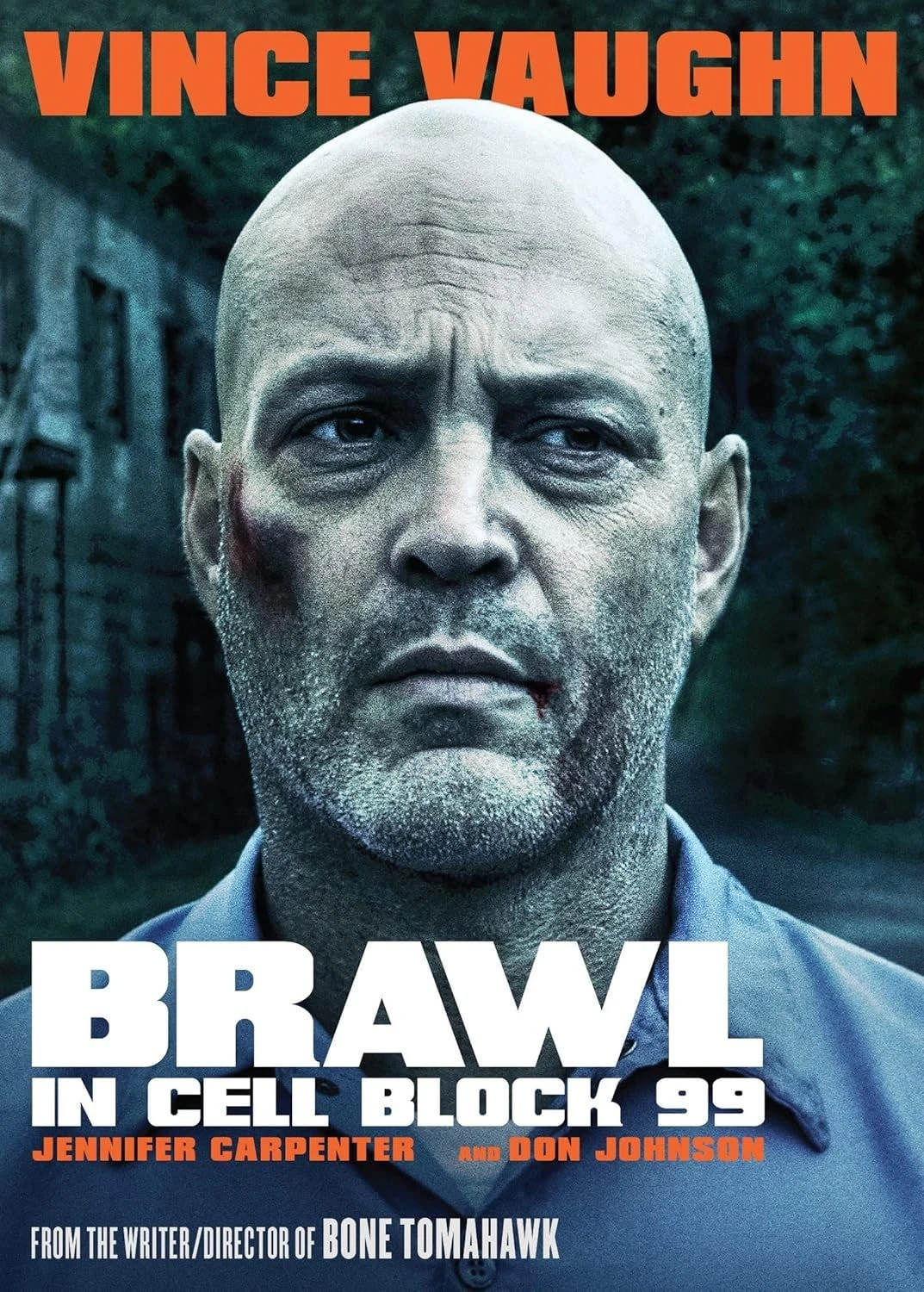
At first, I wasn’t even planning to write a review for this one. I thought: what the hell am I gonna say about this random flick with a couple of nice touches? There’s clearly a director’s vision here—but it’s... I don’t know, all over the place emotionally. I couldn’t even pin down how I felt.
And yet, the film stuck with me for days afterward. I kept thinking about it, replaying scenes in my head. Eventually, I sat down, read a few takes from smarter people, and had an epiphany: this film is a full-on homage to 1970s grindhouse.
Why didn’t I catch that while watching? I blame it on a 50/50 split: I’m a bit dumb, haven’t watched grindhouse in a while, and the director’s references were just too damn subtle. On top of that, the film’s highly unconventional color grading kept throwing me off.
The gist: Bradley, a former boxer with a murky past, drifts from one dead-end job to another. His marriage is on the rocks. When he gets fired (again), he says “fuck it” and starts running drugs—sorting out business, moving up the food chain. The money helps stabilize things: marriage improves, baby on the way, new house, happy days. But one gig lands Bradley in prison—where the real underground fight club begins.
The lead? Vince Vaughn. Yep—that Vince Vaughn. The goofball who usually yucks it up with Owen Wilson. It’s an unexpected role, unless you’ve seen season two (the criminally underrated season) of True Detective—then you’re at least partially prepared. But while in True Detective Vince played a layered crime boss, here in Cell 99 he’s... a cartoonish yet weirdly eclectic badass. He crushes faces and breaks bones like a total beast, but talks like a calm, tactical gentleman. Cool-headed, methodical. And that weird dissonance only deepens because we know jack shit about his backstory.
Props to Jennifer Carpenter (Deb from Dexter) for playing his wife—perfect fit for the crime drama vibe. And then—out of nowhere—Don Johnson shows up in the final act. Yes, that Don Johnson, B-movie and vintage TV icon. The director cast him for the same reason Tarantino used him in Django Unchained: to hammer home the grindhouse flavor. And yet... even with that marker right in my face, I didn’t catch it. I just kept wondering why Don Johnson felt so awkward here.
That’s part of the film’s problem: the first two-thirds feel relatively grounded (for a highly stylized crime flick), but once Johnson enters, it suddenly shifts into fairytale-exploitation-grindhouse mode. After spending 90 minutes settling into one tone, that switch feels jarring, almost like bad taste.
That said—it’s still a solid, personal, auteur film. Brutal, with old-school, straightforward characters, peppered with dry humor. A movie that confidently walks its own weird path, unlike anything else around it. And for that commitment alone, a lot can be forgiven.